Research · Publication & note
Layering transitions in colloidal crystal thin films between 1 and 4 monolayers - Notes
Soft Matter · Journal article · 3 September 2009
Published abstract
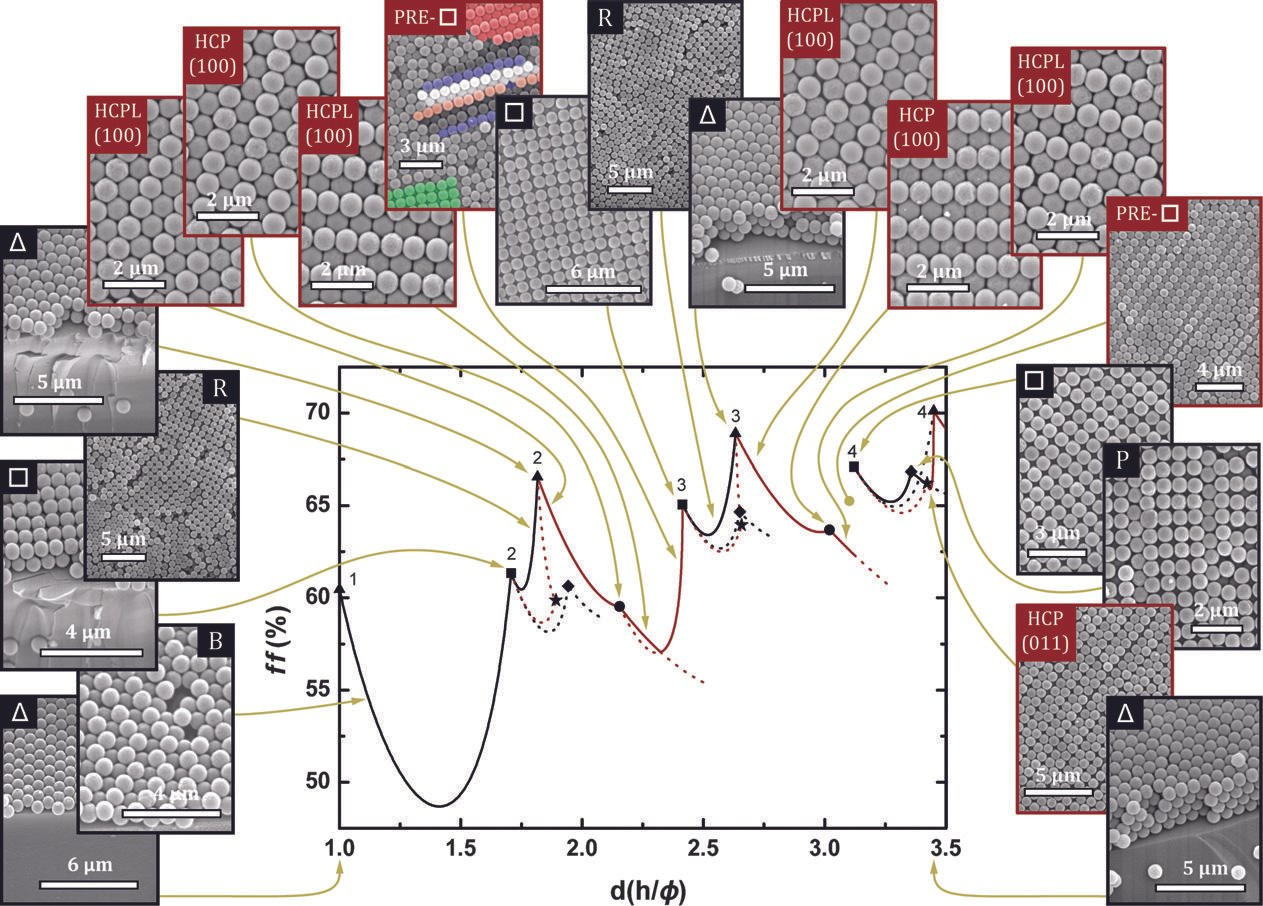
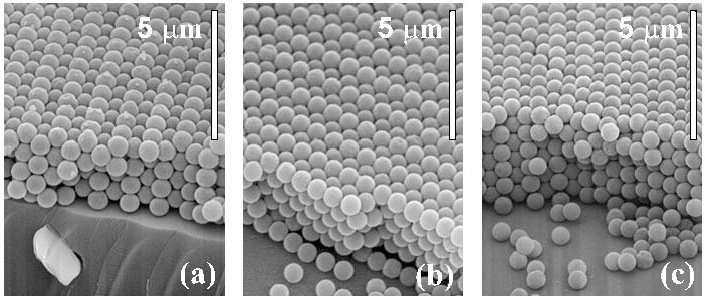
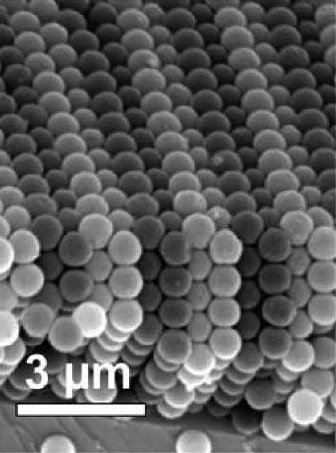
This paper investigates the sequence of morphological transitions in a nearly hard particle arrangement of colloidal crystals confined in a wedge cell. Earlier studies have shown intermediate particle arrangements, such as the buckling, rhombic, prismatic and hcp-like phases, to account for the drastic changes in filling fraction between triangular and square arrangements. Here we describe particle ordering for films between 1 and 4 layers and present a new hcp(011) intermediate phase for transitions with more than 2 layers.
Figures
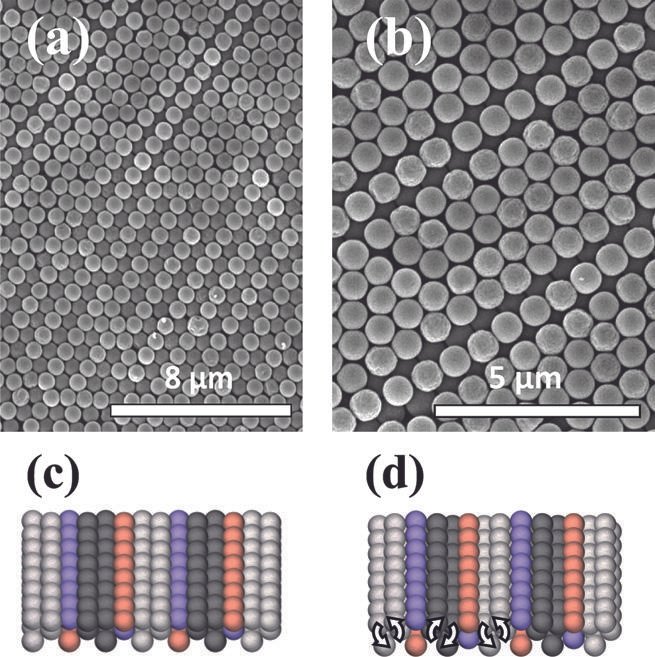
Reproduced from Soft Matter 5, 4279-4282 (2009), DOI 10.1039/B907441D, by an author with acknowledgement to the Royal Society of Chemistry.
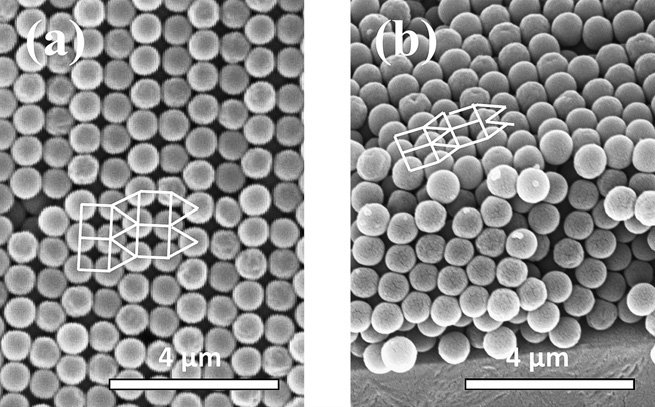
Reproduced from the original RSC article with full acknowledgement.
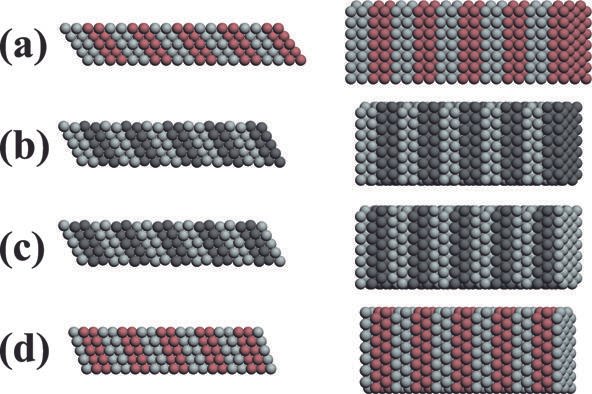
Reproduced from the original RSC article with full acknowledgement.
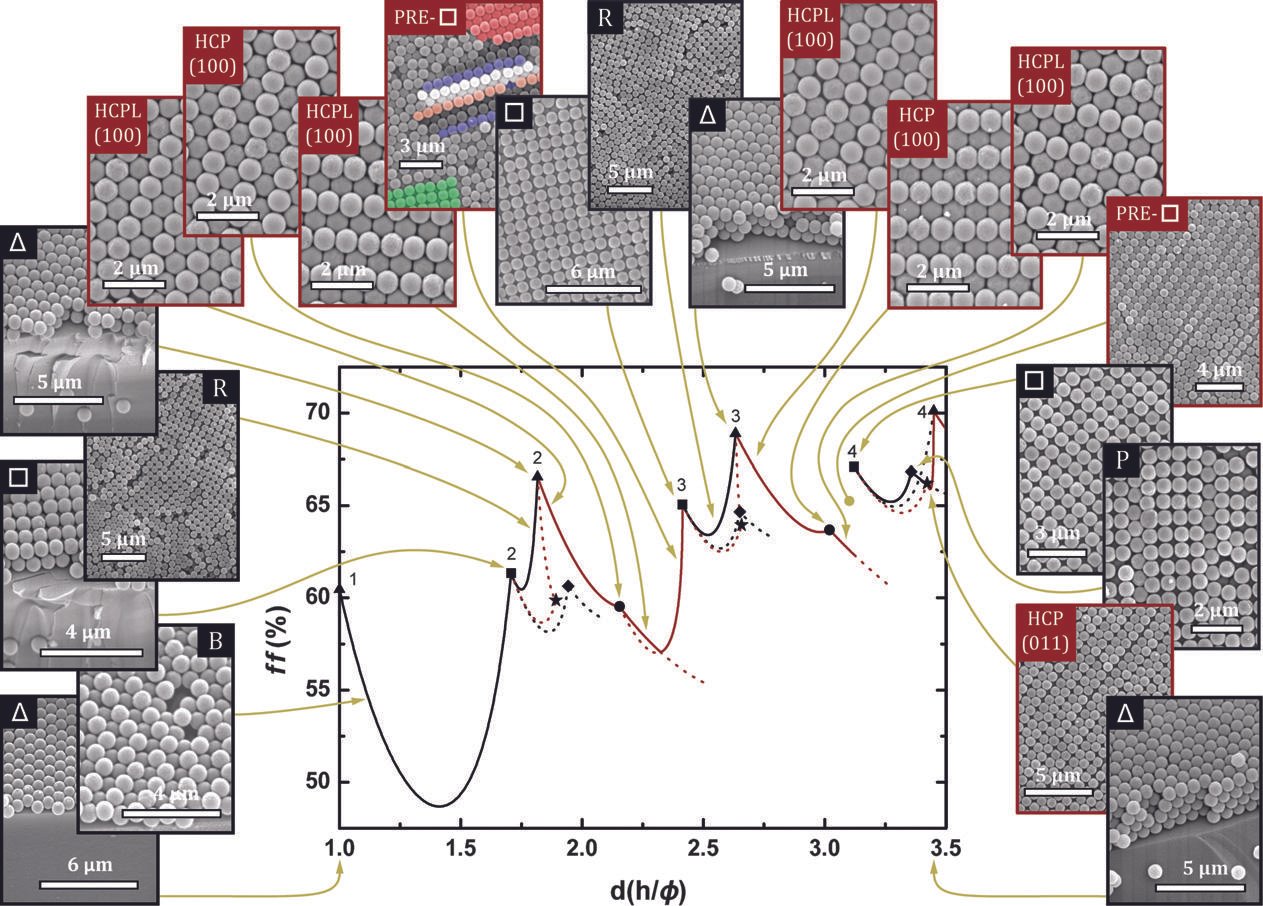
Reproduced from the original RSC article with full acknowledgement.
How to cite
Article access and reuse
The Royal Society of Chemistry allows authors to reproduce their own figures and diagrams with correct acknowledgement. RSC sharing policy does not permit public posting of the subscription Version of Record, so the local publisher PDF is not hosted here. The complete original figure compositions below are reproduced without alteration by an article author and credited to the source.
Related publications

Research fields
Bottom-up
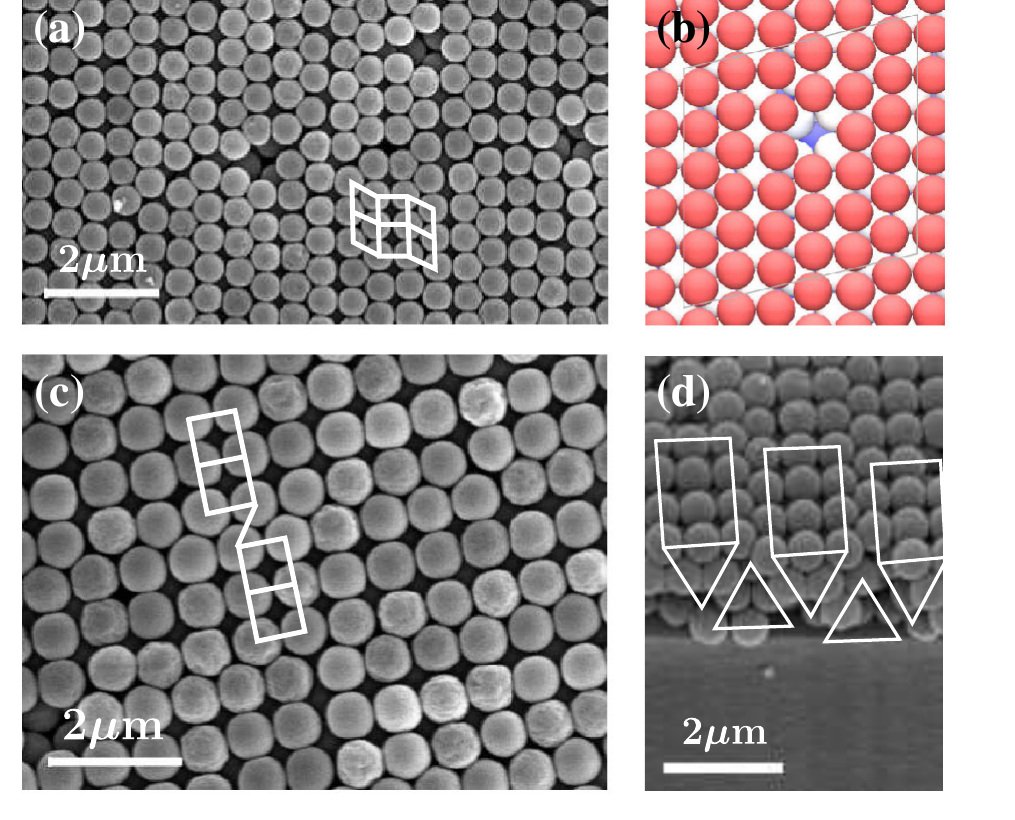
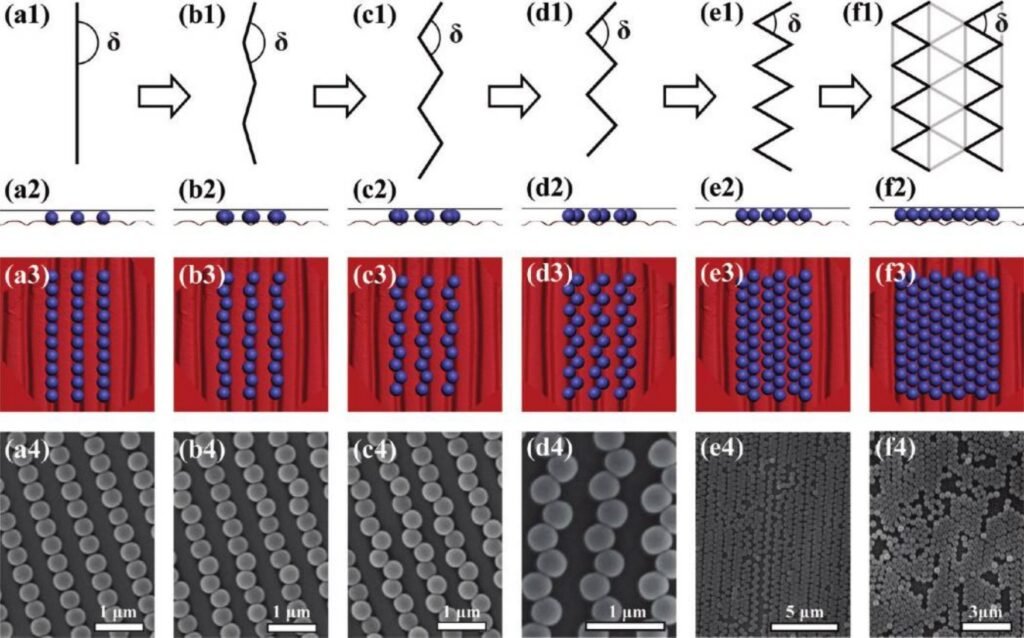
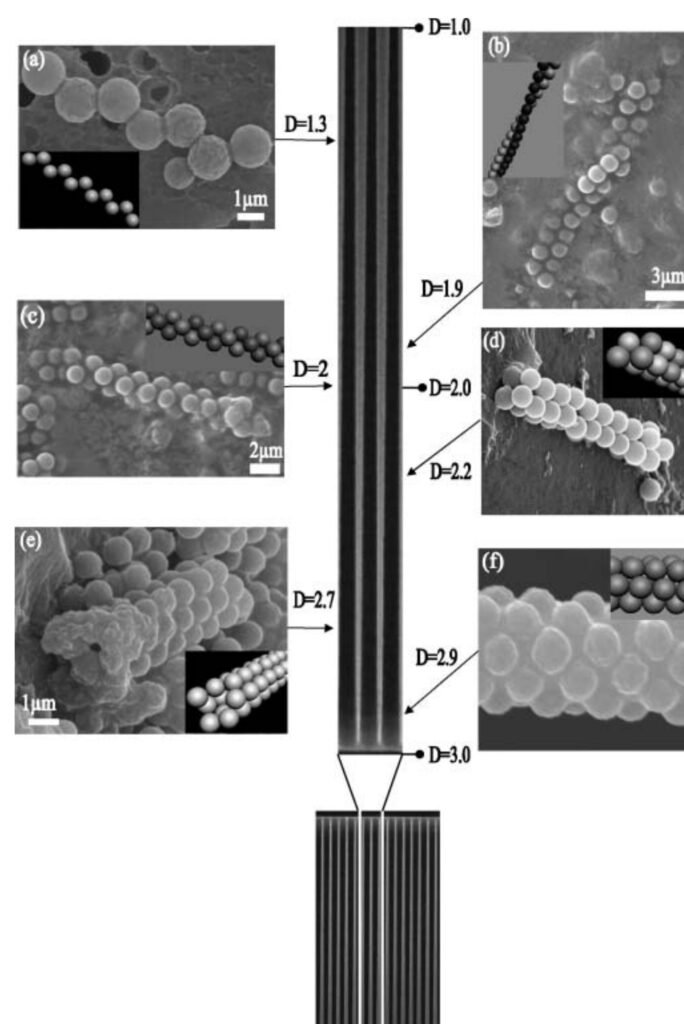
A wedge-confined colloidal suspension self-organises through one- to four-monolayer regimes. As the gap grows, the particles introduce rotations and hcp-like intermediates that preserve dense packing between the square and triangular limiting layers.
Simulations & fits
Packing models and filling-fraction curves order the candidate triangular, square, hcp(100)-like and pre-layer structures by reduced cell thickness. The framework identifies continuous structural paths that a simple direct layer jump would miss.
Characterization
Front and cleaved-edge SEM images resolve particle positions through each transition, including the uncommon hcp(011) arrangement. Comparing both views with the models determines the stacking sequence rather than inferring it from a two-dimensional surface image.