September 9, 2026
2023-06-19
2026-09-09
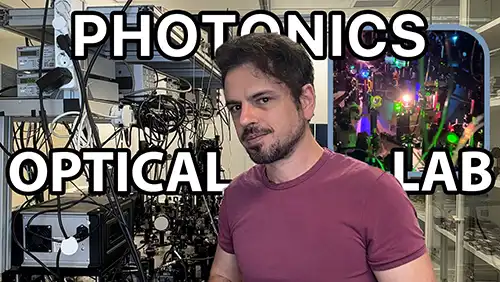
Laboratory of Optics / Photonics

PHOTONICS & MATERIALS SCIENCE
Optical experiments, nanostructured materials and photonic systems for exploring light and matter.
Light is both subject and tool for exploring matter
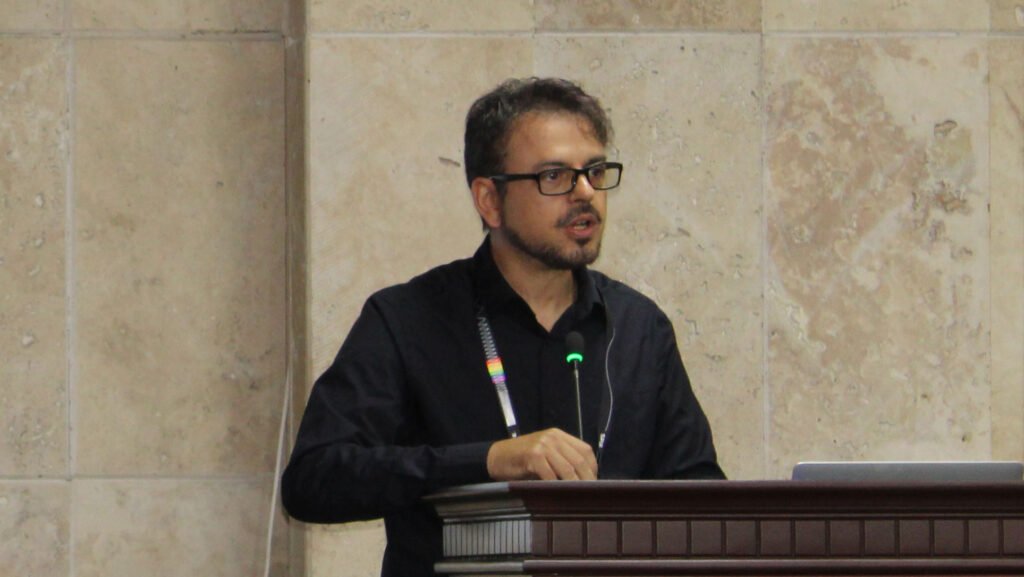
Tenure Scientist at CSIC, working at ITQ UPV-CSIC
 02
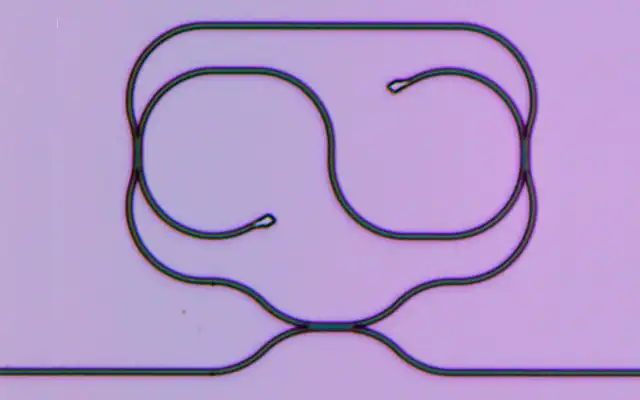
Top-down
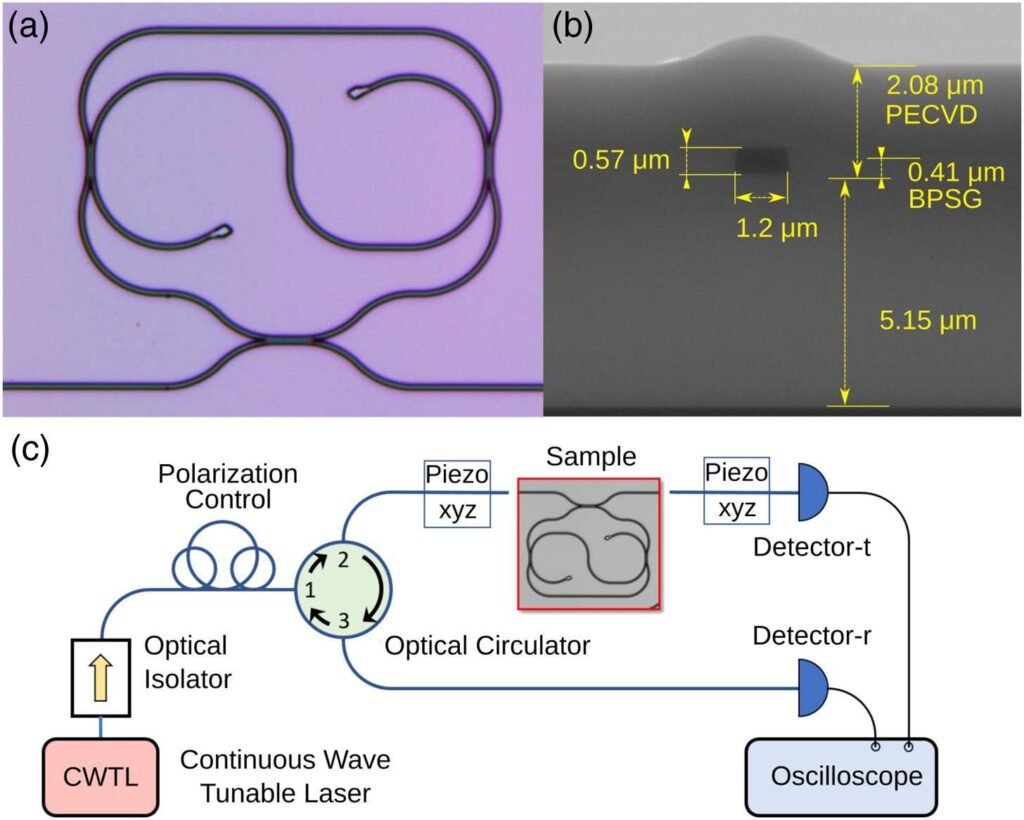
Miniaturised optical devices with precise geometry for fundamental studies and scalable integration.
02
Top-down
Miniaturised optical devices with precise geometry for fundamental studies and scalable integration.
 03
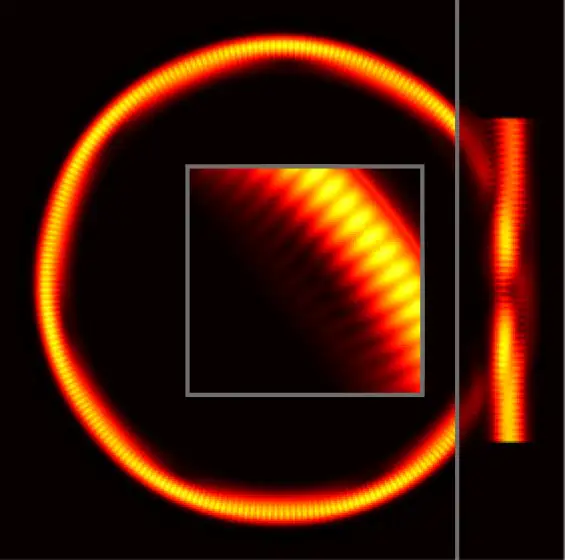
Simulations & fits
Organic-inorganic compounds whose chemical flexibility enables widely tunable optoelectronic behaviour.
03
Simulations & fits
Organic-inorganic compounds whose chemical flexibility enables widely tunable optoelectronic behaviour.
 04
Characterization
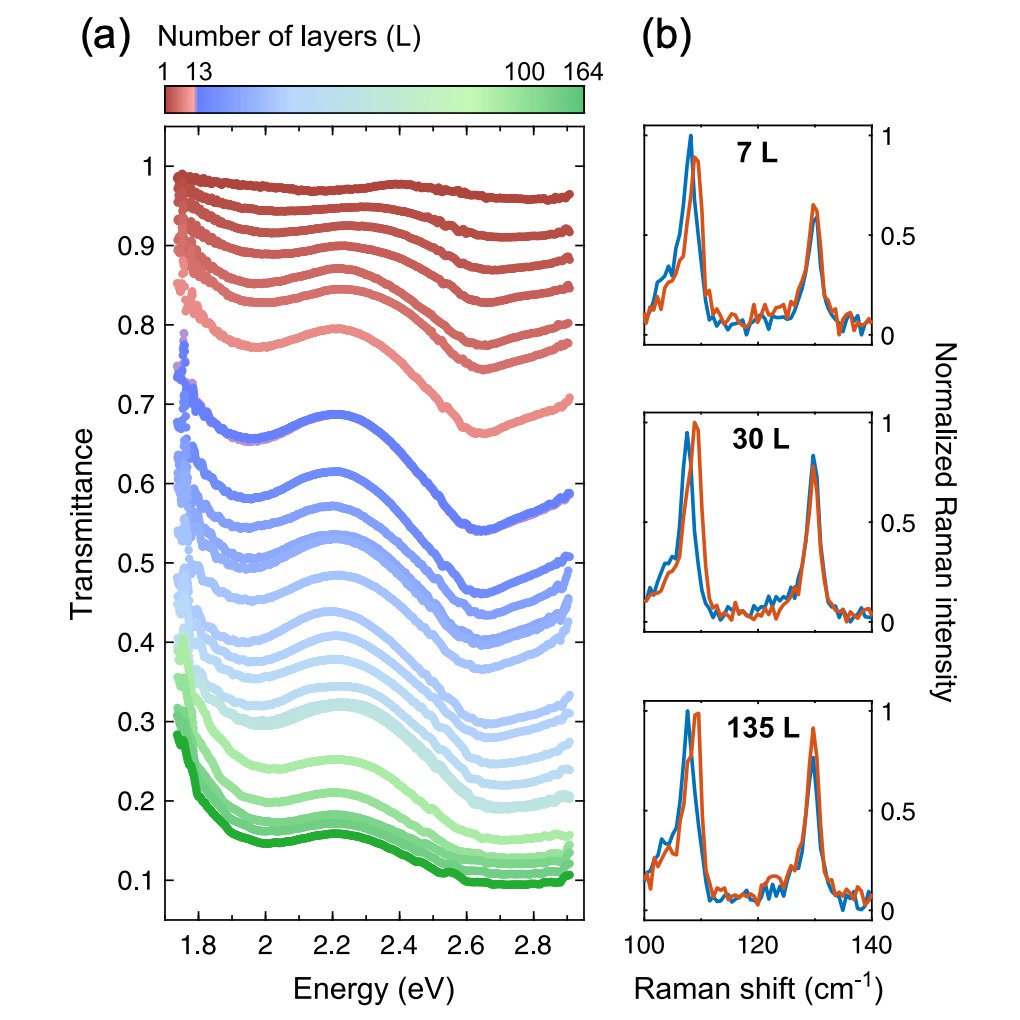
Optical and magnetic properties mapped from the monolayer limit to mesoscale structures.
04
Characterization
Optical and magnetic properties mapped from the monolayer limit to mesoscale structures.
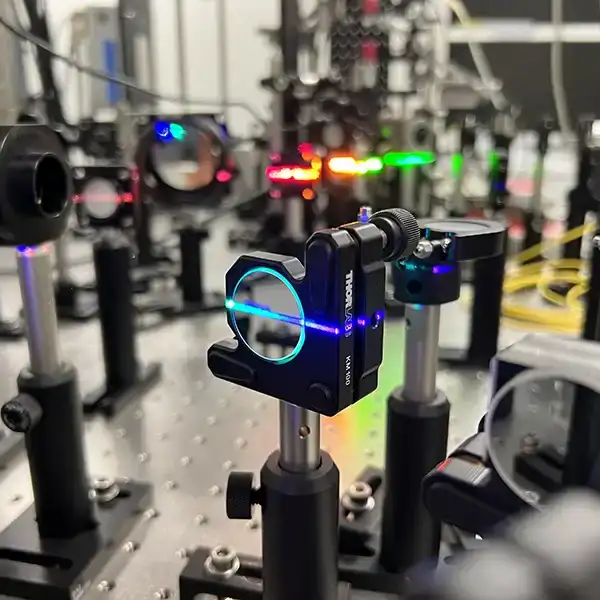
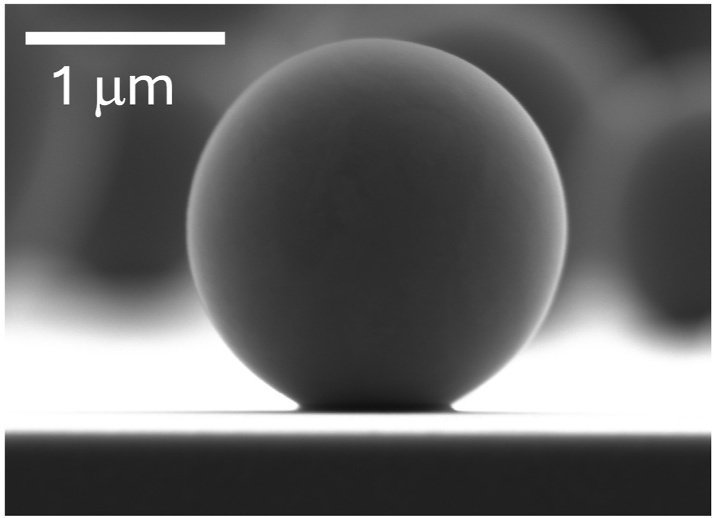
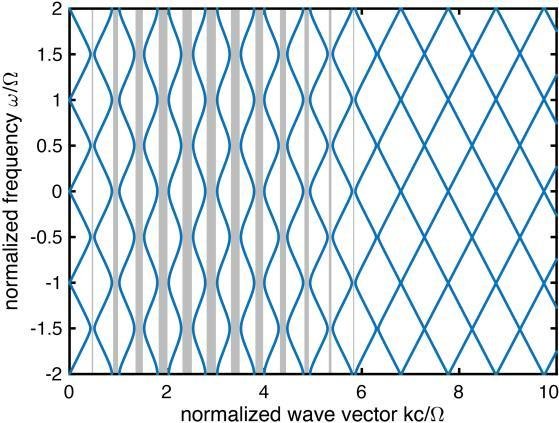
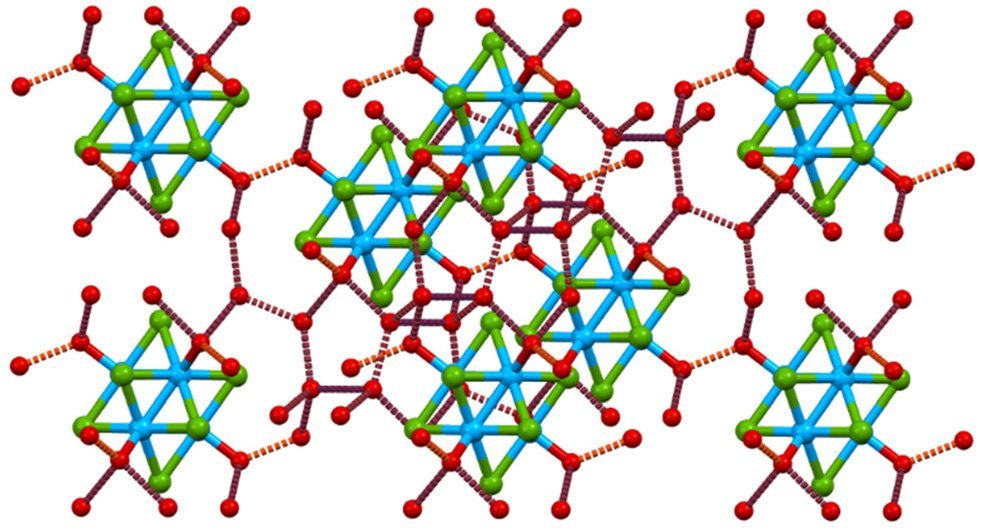
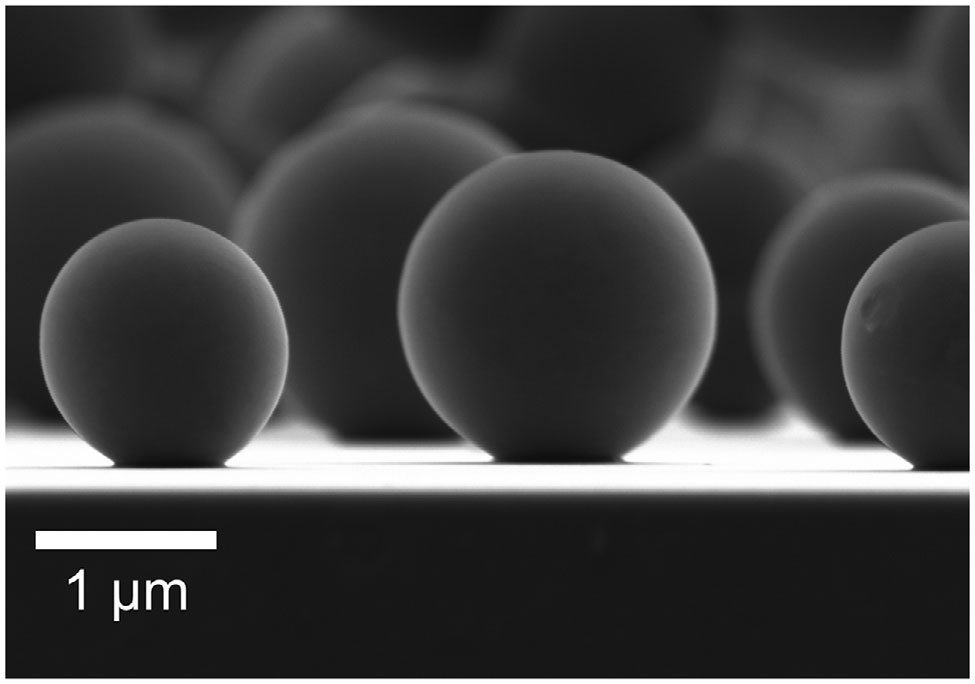
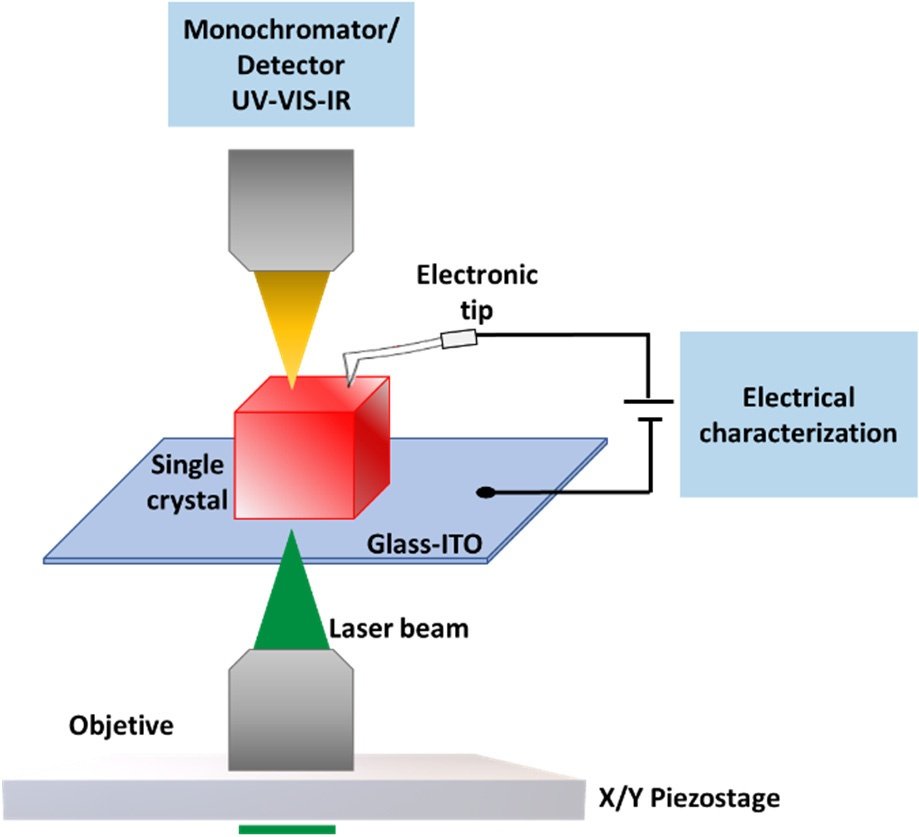
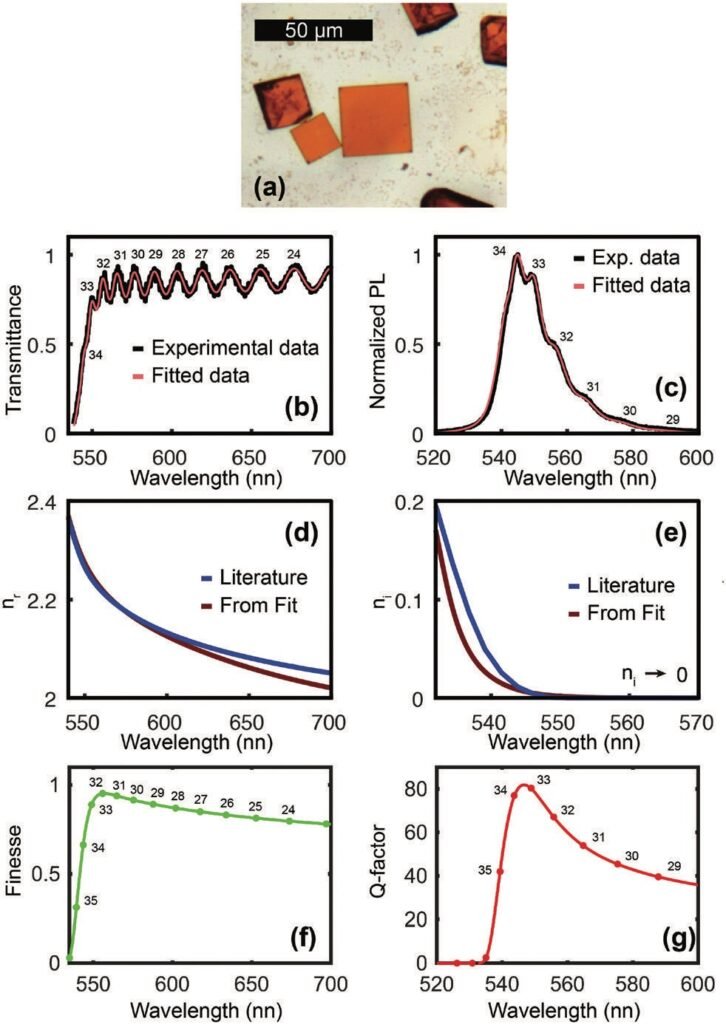
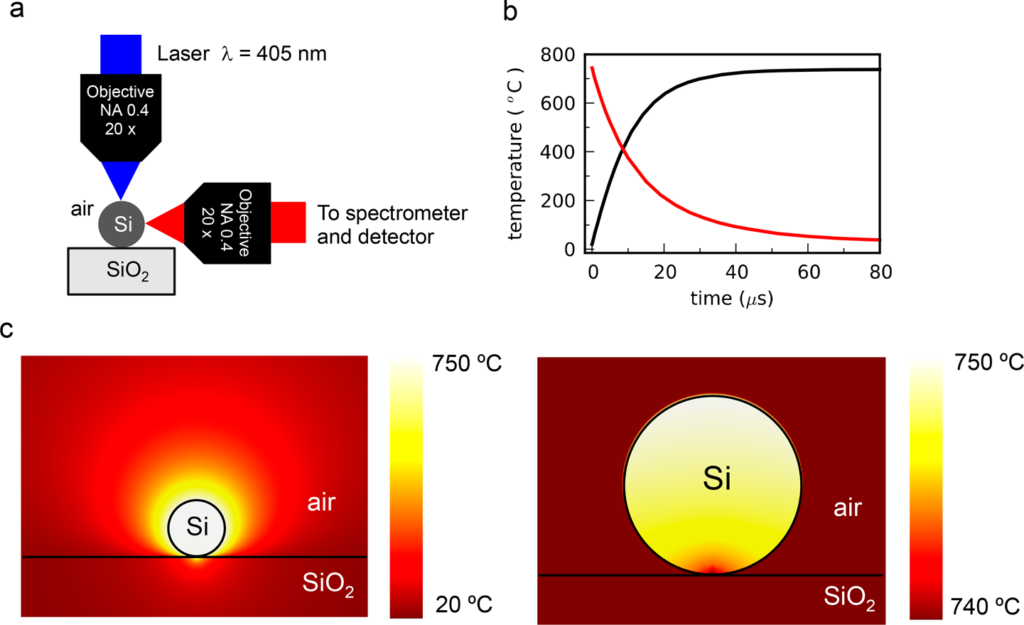
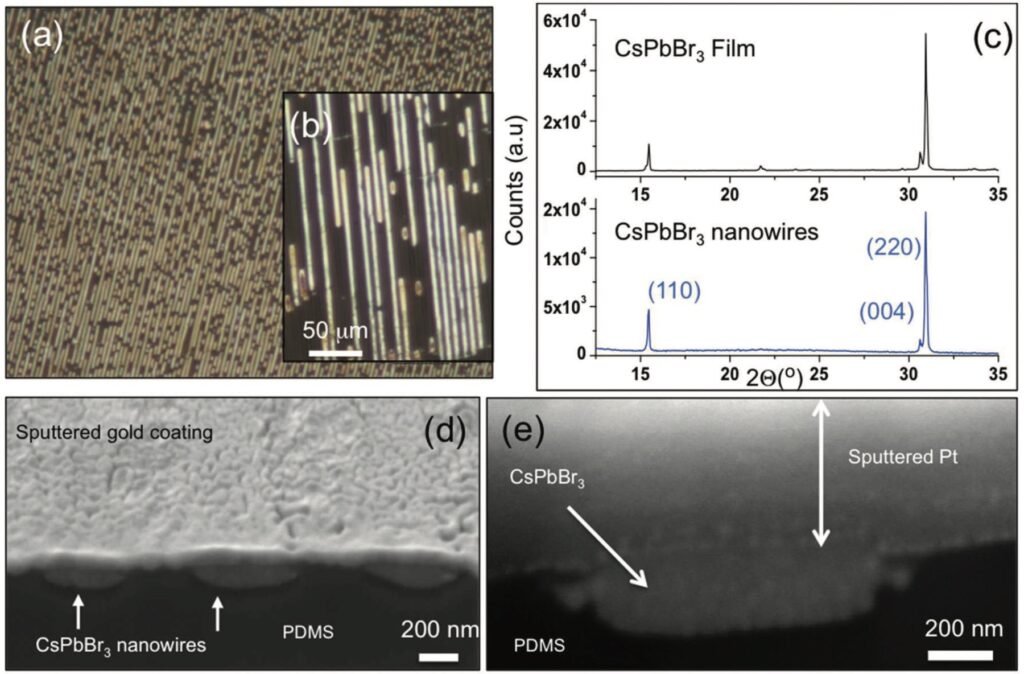
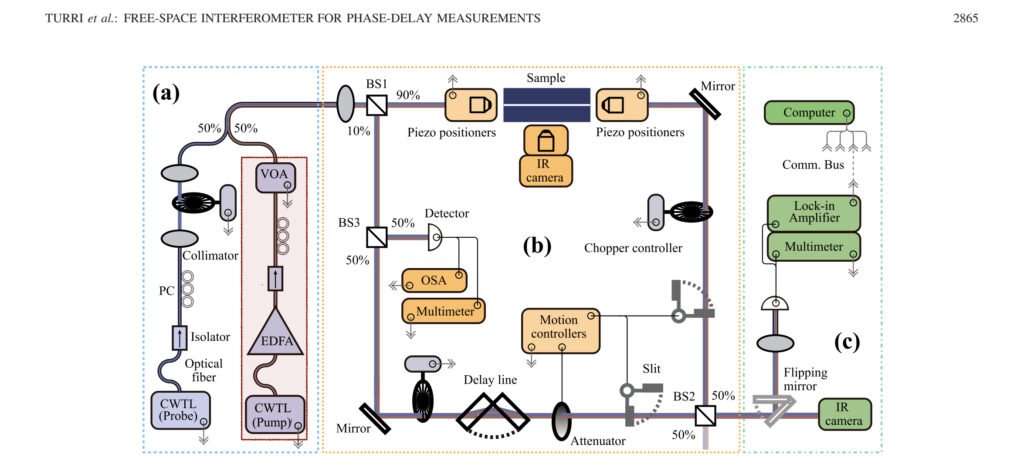
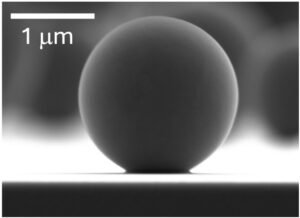
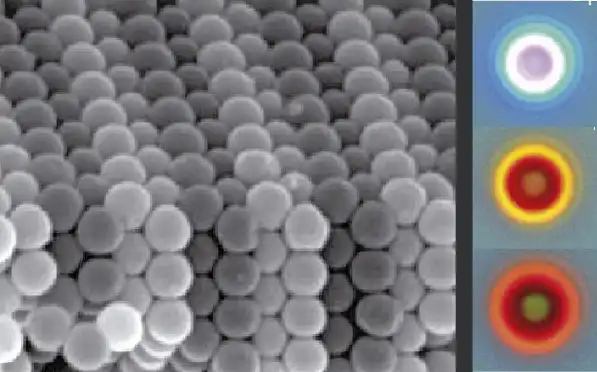
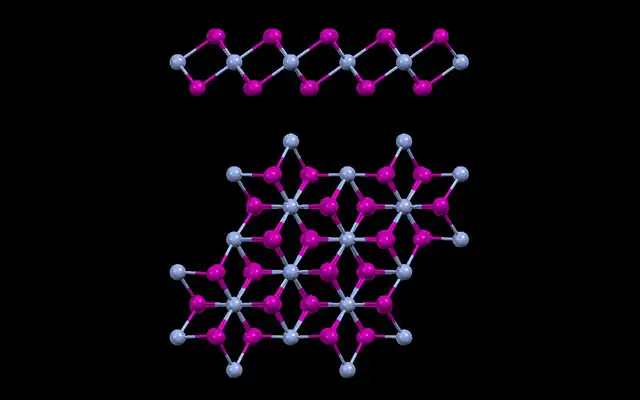
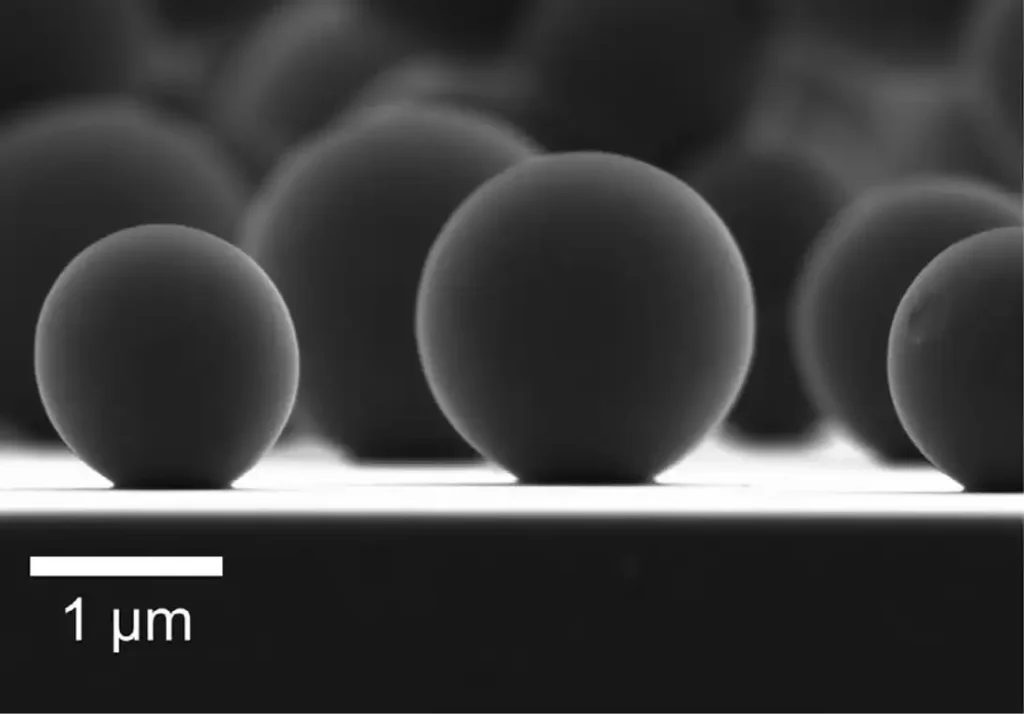
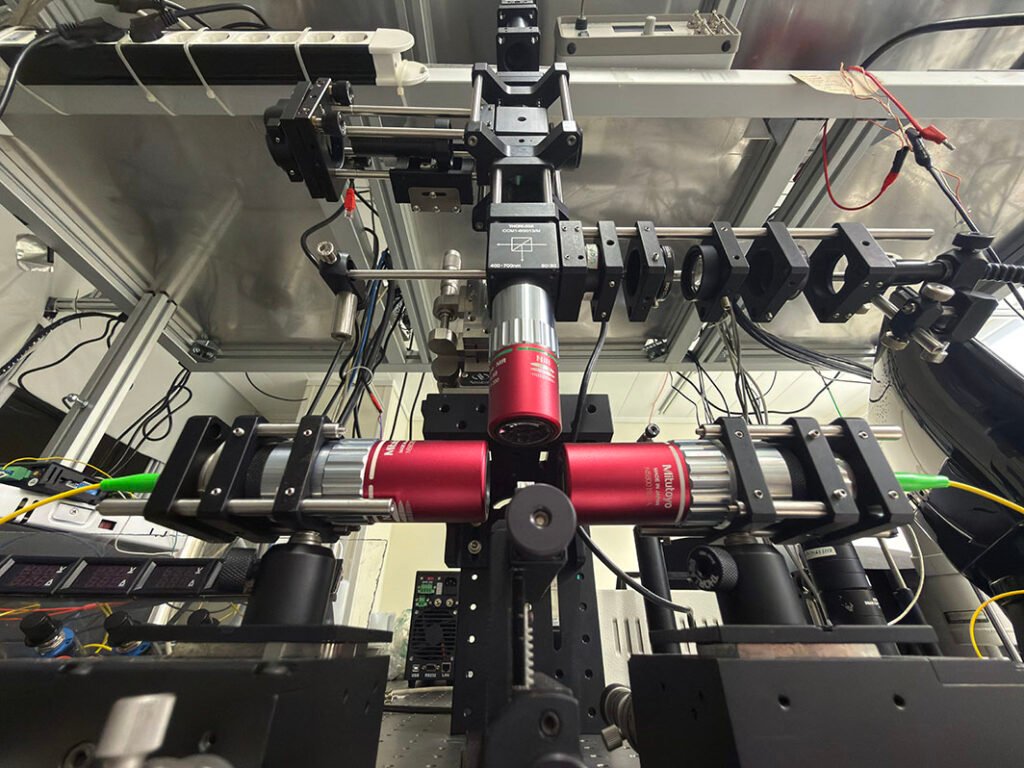
The research combines four approaches. Bottom-up: the flexibility to create photonic structures and promising optical materials, such as colloidal assemblies and halide perovskites. Top-down: the robustness and industrial readiness of photonic light circuits. Structures are simulated for design and analysis with FEM and FDTD, together with analytical models such as CMT fitted to the data. Finally, characterization captures photonic effects such as interference or nonlinear phenomena.
LIGHT & MATTER
Resonators Coupling
 Multimode
 Interference
 Materials
 Emission
 Harvesting
 Nonlinear
 Chemistry
 Setups
 Quantum
 Magnetism
 AI
AI
Art & Science
A×S
AI
AI
Art & Science
A×S
Scroll to explore
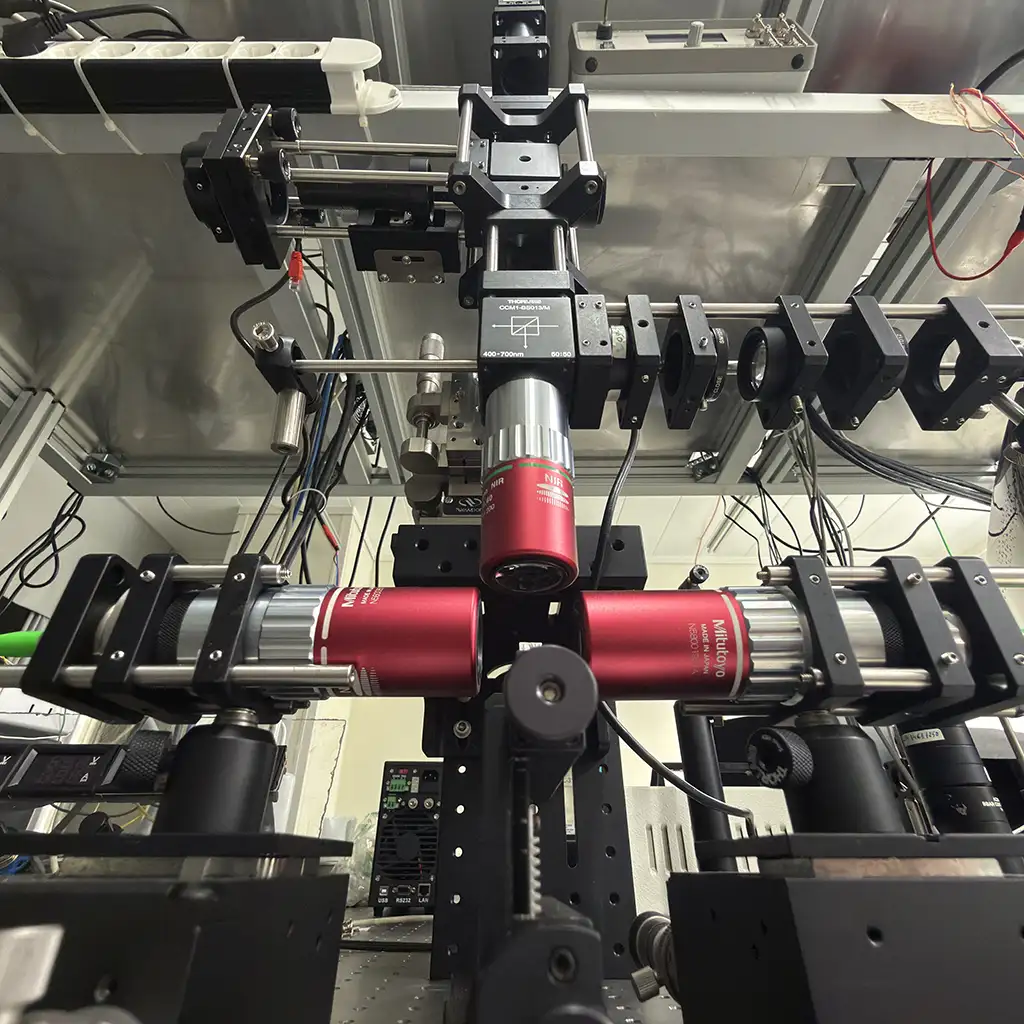
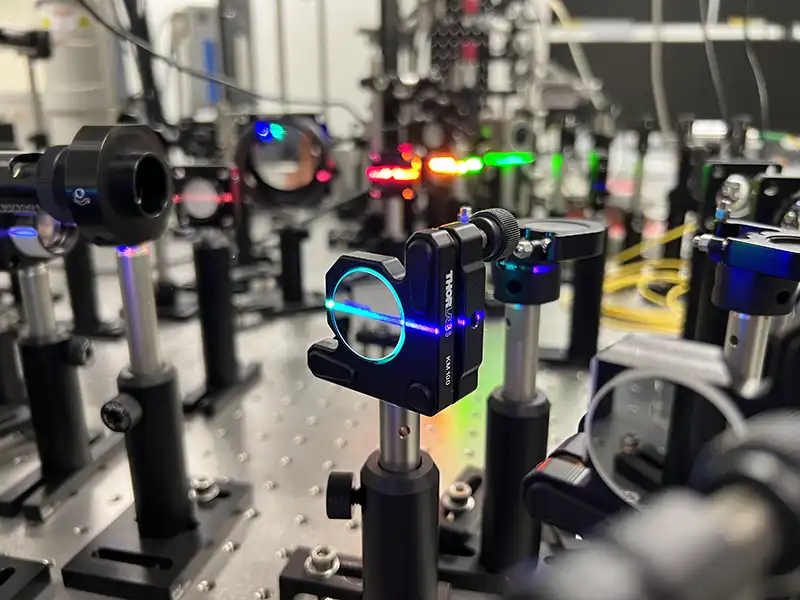
Light encompasses multiple topics, each one with its own interest, for example building an optical setup to characterize the non-linear effects and the multimode behaviour of resonators. Click on a topic and its related publications are shown.